

Protecting rainforests and peatlands in the Leuser ecosystem
Aceh’s Leuser ecosystem is the last place where orangutans, tigers, rhinos, and elephants still share one forest. APEL Green Aceh’s Indigenous “masters of the forest,” women and young people are defending peatlands and mountains from palm oil and gold mining – and building a grassroots movement for real protection.
Project Overview
Project FocusEcosystems / Wildlife
Project Objective Protecting peatlands, preventing gold mining, ensuring protection by Indigenous peoples
Activities Campaigns, monitoring, organizing resistance
The Leuser ecosystem can only be protected if we protect it ourselves.”
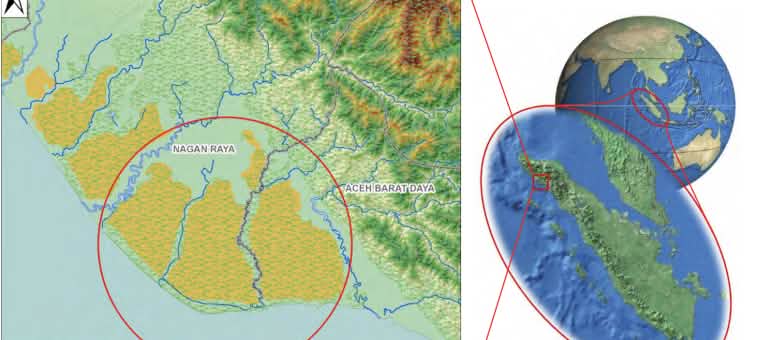
The Tripa, Kluet, and Singkil peatlands
These peatlands on Sumatra’s west coast are home to the most important populations of Sumatran orangutans. They also help regulate the water cycle. They are a natural defense against flooding and tsunamis. They stabilize the local climate, rainfall, and air temperature.
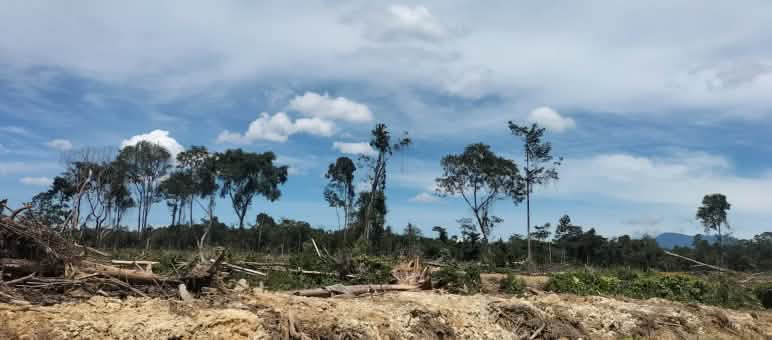
Sadly, vast areas have been clear-cut, burned, and drained for palm oil. Many orangutans have lost their habitat, and thousands died in peat fires set by plantation companies. Only a small part of the peat forest in Tripa is still intact. Around 200 orangutans live there today; in the 1990s, there were 3,000.
The Tripa peatland has become a symbol of destruction. One generation ago, it was still densely forested. Then companies came, cleared it, and burned it. Although they were convicted in court, oil palms still cover most of the Tripa peatland – and the palm oil is sold on the international market.
Together with APEL Green Aceh, we want to save the remaining forest and wildlife and shut down the palm oil companies. Young volunteers with APEL Green Aceh are working to protect and restore the Tripa peatland because neither the companies nor the government are taking action.

APEL Green Aceh
APEL Green Aceh is a small local organization of committed Indigenous people and environmental activists based on the west coast of Aceh province.
We are local +++ we are Indigenous +++ we are ecological and grounded in local communities +++ we work with the Indigenous “masters of the forest” +++ with women, scientists, journalists, and students +++ with Indigenous structures and Indigenous knowledge
What we do in the peatlands
- monitoring rainforests and peatlands
- taking legal action against loggers and palm oil companies
- organizing campaigns to save peatlands and mountain forests
- cooperating with, and pressuring, local authorities
- campaigns with national and international reach
- restoring the Tripa peatland
- climate school
- videos, books and infographics for young people
- organizing the Tripa peatland festival
The mountains of Beutong Ateuh district, habitat of the Sumatran tiger
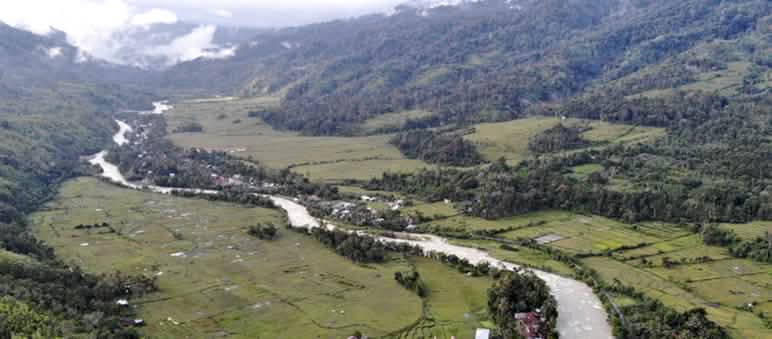
Beutong Ateuh connects Aceh’s two most important landscapes – the Leuser and the Ulu Masen ecosystems. This area is an ecological buffer that keeps water, climate, soil, and thousands of living beings in balance. People here have long lived in harmony with nature.
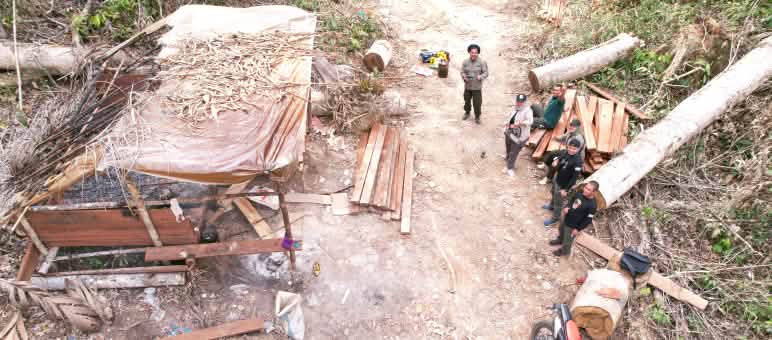
That harmony has been disrupted by illegal logging and by the government’s plan to approve gold mining. In many parts of the world, Indigenous forests are destroyed in the name of development, investment, mining, emissions trading, and large-scale industrial projects. Many communities lose their land so a small group of actors can profit.
For now, mining has been kept at bay. Local residents have resisted the mining companies for years. A court has even ruled that the permits are null and void, yet new companies keep appearing. The traditional “masters of the forest,” the Beutong women’s association, and the young forest guardians demand that the state respect their work as forest protectors, recognize them as an Indigenous community, and acknowledge their forest rights (as “community managed areas” under the Social Forestry program).
For we have borrowed the forest from our children and want to return it intact.”
What we do in the rainforests and mountain forests
- monitoring Indigenous territories
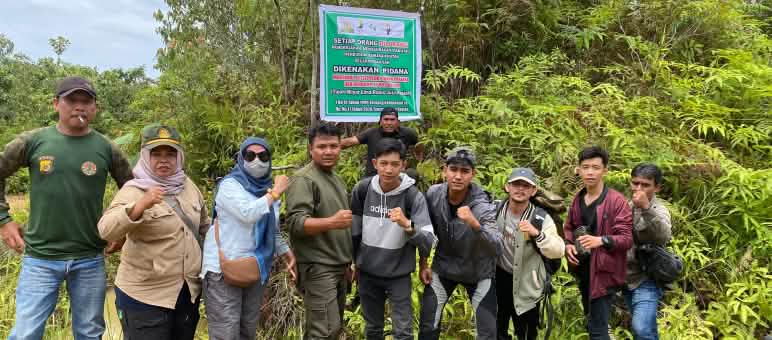
- organizing patrols
- tracking down and prosecuting loggers
- resisting gold mines
- making six villages climate‑friendly
- training 30 “masters of the forest”
- studies and publications
- campaigns
- videos
- infographics for young people
The Leuser ecosystem
The Leuser ecosystem is the only place on Earth where four endangered large mammals – orangutans, Sumatran tigers, rhinoceroses, and Sumatran elephants – share the same habitat. It lies in the northern part of Sumatra and is one of the largest protected areas in Indonesia.
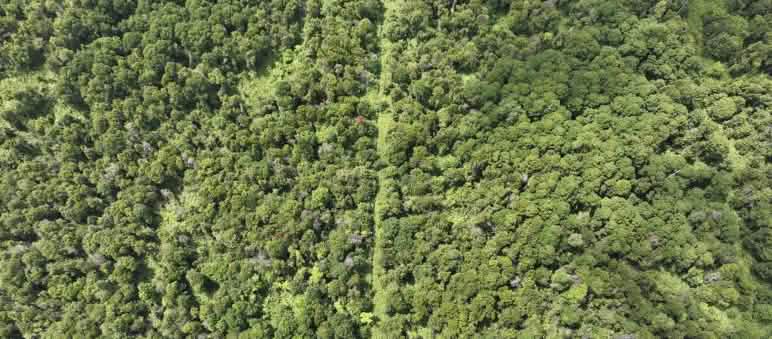
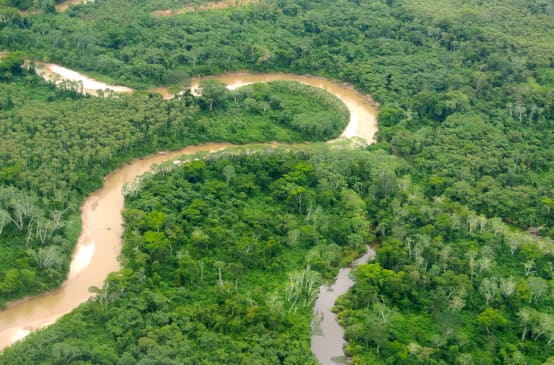
Its landscapes – coastal areas on the Indian Ocean with peatlands, rainforests, mountain forests, swamps, and mangroves – include several types of tropical forest. Its rainforests are among the oldest in Indonesia.
Key parts of the Leuser ecosystem have been destroyed for timber, palm oil, roads, and mining. The loss of peat swamp forests and mangroves is particularly devastating.
The Leuser ecosystem is in critical condition. International programs face an uphill battle. The Leuser Conservation Forum (FKL) and the Leuser Ecosystem Foundation (YEL) are doing good work, but even they can do little against rampant profit-seeking. What is needed is protection “from below” – by the Indigenous communities whose territories still hold extensive forest, and by young people. These committed local and Indigenous groups need our support because they can bring the wider population with them. From them grows the movement to save the Leuser ecosystem – and with it the tigers, elephants, and orangutans!
Climate and the rainforest
Rainforests are tightly intertwined with the climate: while forests are suffering from global warming, they are also the key to climate protection.
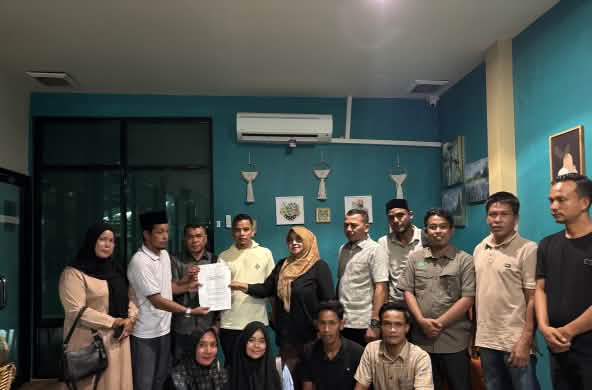
“We stand against mining – to the end!”
Petitions and campaigns take courage and perseverance. 87 environmental groups from around the world support a letter against gold mining in Beutong!
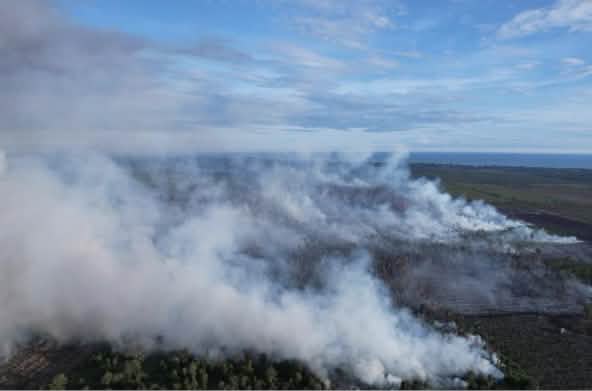
More than 300 hectares burn in Tripa peat swamp
More than 300 hectares are burning in the Tripa peat swamp. Our partners say deforestation and the authorities’ inaction are to blame.
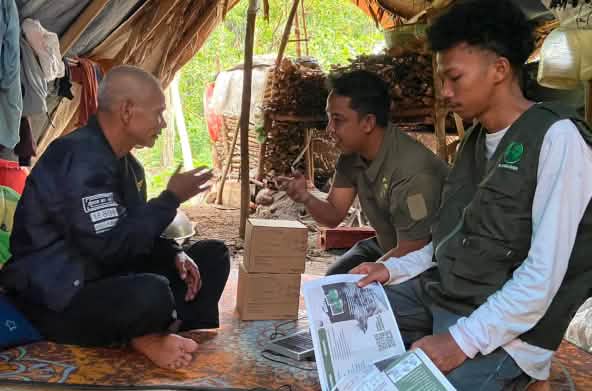
A letter from Sumatra: solidarity is more than a word
Four months after the cyclone, the people of Beutong are expressing their thanks. Solidarity and emergency aid have given them strength and hope.