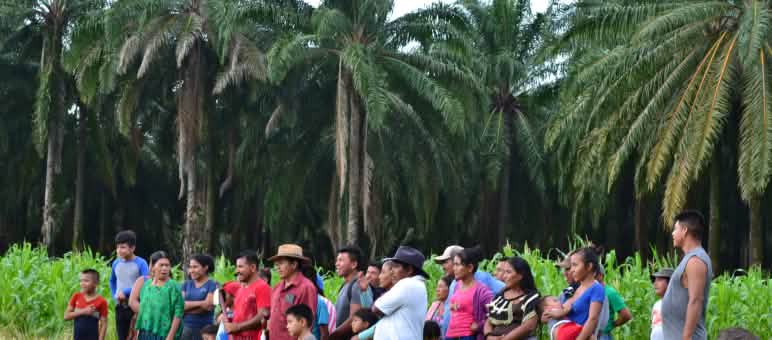
Roots of Freedom: documenting communities resisting the palm oil industry
Guatemala, Honduras, Mexico: From southern Mexico to Honduras, communities poisoned, displaced and criminalized by the oil palm plantation industry speak out. The documentary “Roots of Freedom” is their story – of loss, resistance and futures rooted in land, water and food, not monocultures, told in their own voices.
“Roots of Freedom: Weaving Futures Without Oil Palm” takes you into communities in Guatemala, southern Mexico and Honduras that are resisting the rapid spread of oil palm plantations. Indigenous, Black and campesino voices describe how monocultures of palm, soy, eucalyptus and sugarcane are replacing forests, poisoning rivers and pushing out traditional food crops like corn and beans.
Farmers and local leaders explain how land was taken through debt, legal reforms and broken promises of development, turning collective territories into assets for distant corporations. Women speak about contaminated water, children’s illnesses and the daily violence that comes with plantations – and about blocking roads, organizing assemblies and taking legal action to stop further expansion.
The film exposes the gap between corporate “sustainability” claims and reality on the ground, where communities live with pollution, hunger and fear while brands like Wilmar, Cargill, Pepsico, Nestlé, Bimbo and Colgate‑Palmolive profit from palm oil in everyday products. In Honduras’ Bajo Aguán, at least 160 campesinos have been killed in land conflicts linked to palm since 2010; in Guatemala, Maya communities face evictions and criminalization for defending their ancestral lands, even inside protected areas and mangroves.
Produced by Avispa Mídia with the support of Rainforest Rescue and the World Rainforest Movement, this video is a sharp, grounded tool for education and solidarity: people on the front lines tell their own story and outline alternatives based on food sovereignty and community control of land and water. Please watch, share it in your networks, and use it in groups, schools or events wherever people are ready for an honest conversation about palm oil, forests and justice.
The video (1:07):
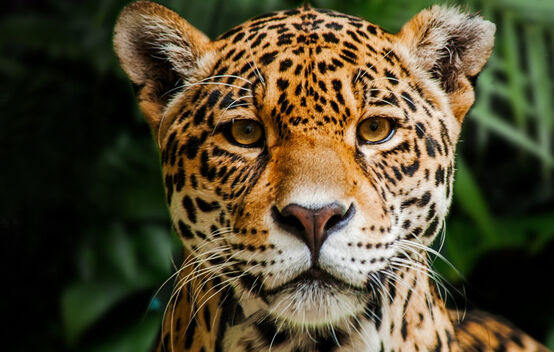
Preserving Latin America’s diversity
The Amazon region is home to the largest and best-known rainforest on the planet. It plays a crucial role in the Earth’s climate system.
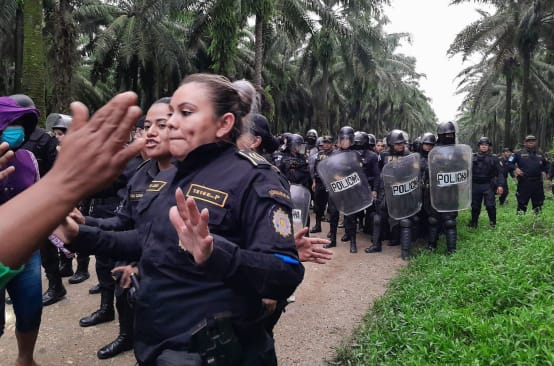
Guatemala: Stop the palm oil industry’s violence against the Maya!
Conflicts arising from land grabbing and pollution by the palm oil and nickel industries are leading to violence against the Maya people.
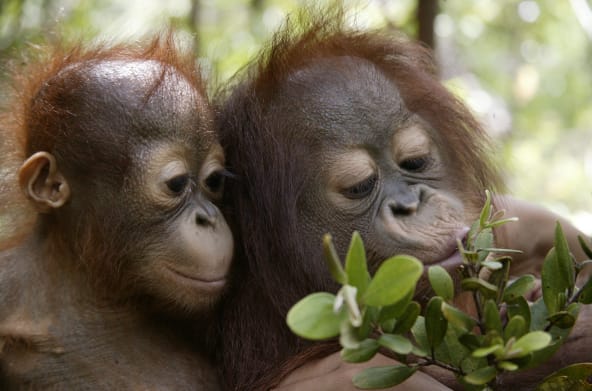
The rainforest
A green sea of ferns, mosses, vines and ancient trees. Iridescent butterflies and colorful birds. Flowers in every hue of the rainbow. The “green lung” is a natural wonder of the world. Find out more about the world’s most diverse, fascinating and threatened ecosystem.