Ebola: A tragedy – and a warning to us all
Democratic Republic of the Congo: The Ebola outbreak in Central Africa is a tragedy for the people affected. We hope the crisis passes quickly. At the same time, it is a warning to all of us: the deeper we push into rainforests and destroy them, the greater the risk of new viral diseases.
The center of the current outbreak is in Ituri Province in the eastern Democratic Republic of the Congo (DRC) and extends into neighboring Uganda. The World Health Organization has since declared it an international public health emergency.
For years, people in the region have endured armed conflict, forest destruction, mining, and the impacts of the climate crisis. In many places, health care is weak, and the tense security situation is making it even harder to contain Ebola.
Ebola, COVID-19, and SARS are all dangerous zoonoses – diseases that originally came from animals.
When forests are cleared, raw materials extracted, and habitats destroyed, the risk rises. Viruses can make the leap to humans in many ways: people may eat infected animals hunted in forest areas that were previously inaccessible. Or wildlife may move into human settlements it would otherwise have avoided because its habitat has been destroyed – and transmit pathogens in the process.
Protecting intact ecosystems also means protecting human health. Ebola outbreaks and the COVID-19 pandemic have cost hundreds of thousands of lives. The next pathogen could be even deadlier.
Ebola
The Ebola virus has been known since 1976. Unlike coronavirus or influenza, it is not transmitted through the air, but through bodily fluids such as blood or vomit.
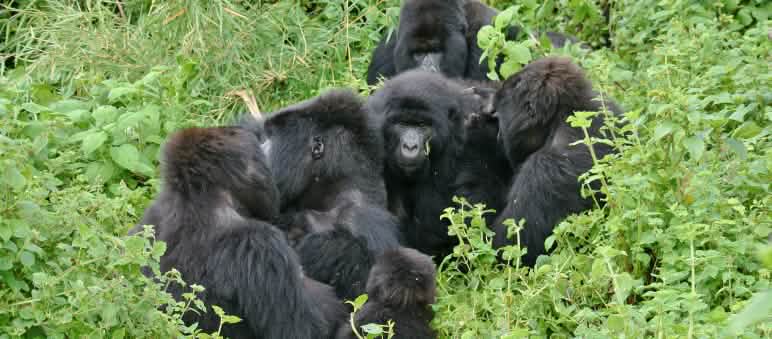
Wild animals frequently linked to dangerous zoonoses include bats, rodents, and primates.
Rainforest Rescue’s partners work in the crisis region in eastern DRC, but they do not appear to be directly affected. They are continually assessing whether they need to adapt their work, including protest actions against oil projects.
This page is available in the following languages:
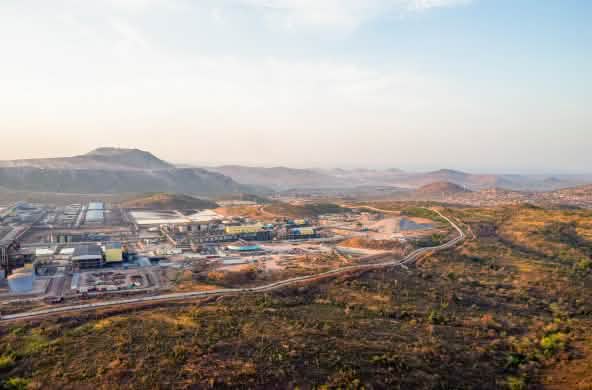
Cobalt mining in Congo: Put public health before profit!
Polished to perfection: EVs from BMW, Mercedes, and VW. Devastated: regions where their raw materials are mined. Poisoned: families near the mines.
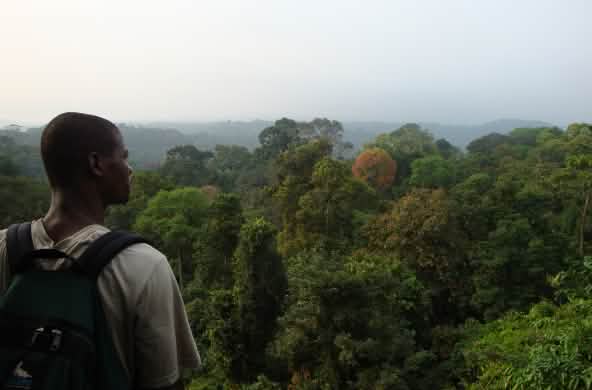
Protecting Africa’s rich natural heritage
The Congo Basin is home to the second largest rainforest in the world, habitat of gorillas, chimpanzees and forest elephants. Our partners courageously defend these forests.
The rainforest
A green sea of ferns, mosses, vines and ancient trees. Iridescent butterflies and colorful birds. Flowers in every hue of the rainbow. The “green lung” is a natural wonder of the world. Find out more about the world’s most diverse, fascinating and threatened ecosystem.