Completed campaign
Europe’s metals demand, global damage: stop mining and stockpiling!
This petition letter with 30,234 signatures was submitted in response to an official European Union consultation on the plan to build a Critical Raw Materials Centre.
Europe's appetite for raw materials is driving damage far beyond its borders. To secure metals such as rare earths, cobalt, copper, lithium, and bauxite, the EU is backing stockpiling and new extraction. Communities and ecosystems in the Global South are paying the price. We need to understand the consequences of our own material use.
To: European Commission
“The European Commission must confront the real costs of mining in its Green Deal and energy transition plans and policies.”Europe’s push for raw materials is turning into a race for resources – a spiral of rising extraction and rising harm. Up to 34 materials, mainly metals, are classified as critical and/or strategic. They are needed to produce energy and digital technologies tied to ‘transitions’ in fields such as electric mobility and its related infrastructure, and artificial intelligence. The aerospace race and growing weapons production also consume vast amounts of these metals.
As critical raw materials move up the political agenda, the European Commission is addressing Europe’s heavy reliance on imports. One step is an imminent plan to set up an EU Critical Raw Materials Centre. This center is meant to coordinate joint purchasing of raw materials, stockpiling, investments and raw materials ‘intelligence’.
Critical raw materials mostly originate outside Europe – up to 90 percent for certain elements such as rare earths. Trade in raw materials brings substantial profits, and many global players are competing to secure them. But communities in the Global South that are affected by mining are left to bear the damage, while their interests are ignored or pushed aside. The impacts of mining are not only ecological: They are also social, and they are widely documented.
A public consultation and call for feedback and evidence to ‘fine-tune’ the European Critical Raw Materials Centre initiative is currently underway. We want to submit our arguments against excessive material accumulation, along with important information about rainforest communities and other communities affected by mining – communities we are concerned about and stand with in solidarity.
We have drafted a letter that we will submit in response to the European Union’s Raw Materials Centre consultation. Please sign the petition if you want to join us. We will send the letter on the final day of the consultation, July 29, specifying the number of signatures and the number of countries they come from.
Start of petition: 01/07/2026
In 2024, the EU adopted the Critical Raw Materials Act (CRMA). It laid the groundwork to expand production capacity, strengthen its critical raw material value chains, and diversify its import sources.
CRMA objectives for EU’s supply security by 2030
Of the strategic raw materials it consumes, the EU aims to:
- extract 10%
- process 40%
- recycle 25%
Part of the Commission’s wider strategy to secure industrial supplies of critical raw materials is the Critical Raw Materials Centre, proposed under the Clean Industrial Deal.
The European Union presents this as a way to secure reliable access to raw materials for European industry and make supply chains more resilient to shocks.
The European Commission’s proposed raw materials policies fail to account for the real costs of mining. It needs to address these costs clearly and urgently.
The real costs of mining
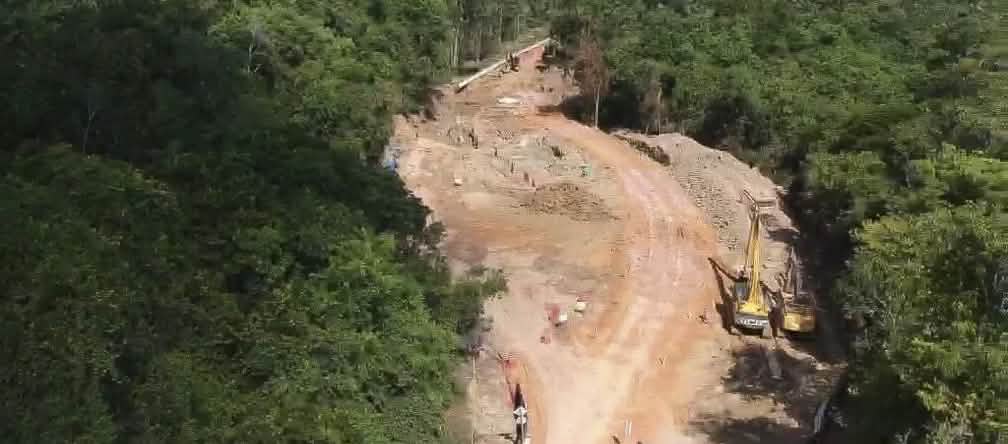
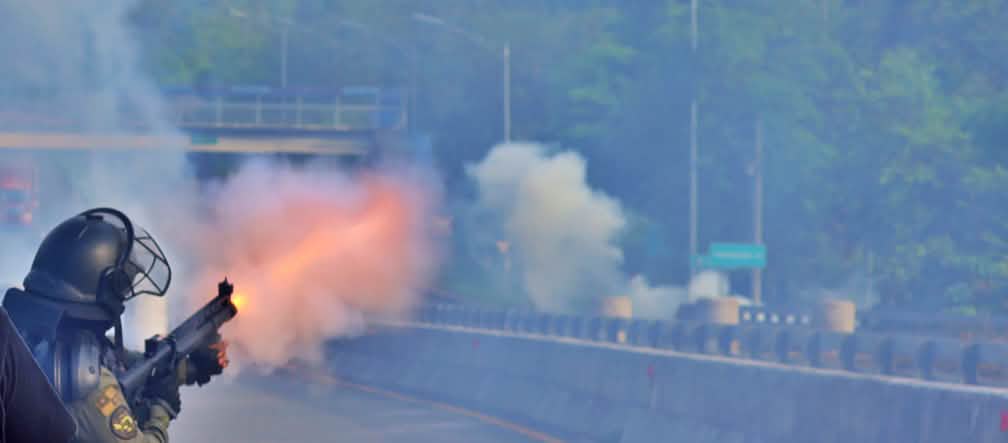
Mining is often tied to severe conflicts over water and land, including human rights violations.
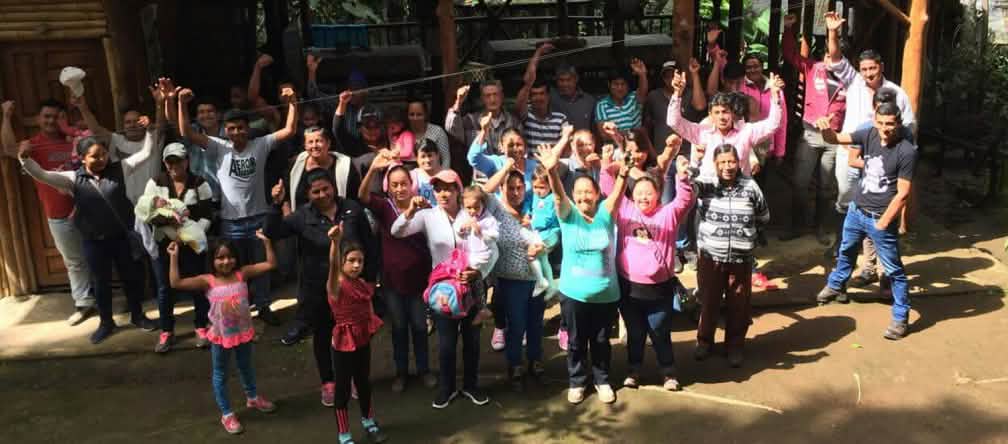
Communities around the world are carrying the environmental, social, territorial and human rights costs of extraction and consumption that do not even serve their own regions.
The European Commission will accept feedback on its plans to build an EU Critical Raw Materials Centre until July 29. If you want to take part in the consultation using our letter, please sign the petition by filling out the form. If you want to put forward your own arguments, here is the direct link to the official consultation page.
To: European Commission
Ladies and Gentlemen,
The European Commission’s proposals for a new EU Critical Raw Materials Centre are directly tied to mining, which for certain raw materials such as rare earths extraction still takes place largely outside Europe, in some cases up to 90 percent.
Like the European Green Deal and the Green Transition policies it includes, the plan for this Centre – covering joint purchasing of raw materials, stockpiling, investments, and raw materials ‘intelligence’ – fails to properly account for the environmental, social, territorial and human rights costs that mining imposes on communities around the world.
European policymaking can no longer ignore these real costs, including in plans to accumulate raw materials.
The Thematic Social Forum on Mining, which brings together organizations from every continent, argues that the green or energy transition is being presented as a solution to the climate crisis while reproducing the same extractivist and capitalist logic responsible for ecological destruction and social injustice.
Representatives of the Coalition Against Land Grabbing in Palawan, Philippines (CALG) have expressed concern about the lack of awareness in European society of the direct repercussions of the ‘ecological transition’ for the Global South.
In Europe, the association Unidos em Defesa de Covas do Barroso opposes any attempt to use the energy transition to curtail the democratic rights of local people.
The European economy and EU policies continue to pursue material and economic growth based on the mining of metals and minerals at other peoples’ expense, in coordination with governments, corporations and international financial institutions. As a result, environmental and social organizations remain deeply concerned about the consequences for mining-affected communities and their rights. These communities remain the hidden side of all these plans.
The global network Yes to Life No to Mining YLNM advocates for “approaches that are ecologically and socially just – that value diverse ways of life; that protect the land, air and waters we all rely on. These approaches will take us beyond the inherently violent and harmful practice of extraction as if the Earth has no limits.”
We call on you to listen to and respect the communities that say NO to mining.
Yours faithfully,
Through REsourceEU, see: https://single-market-economy.ec.europa.eu/document/download/e9ac2181-0dc7-4e61-a964-ba0a39c2aea8_en
As called for in the Draghi report https://commission.europa.eu/topics/competitiveness/draghi-report_en