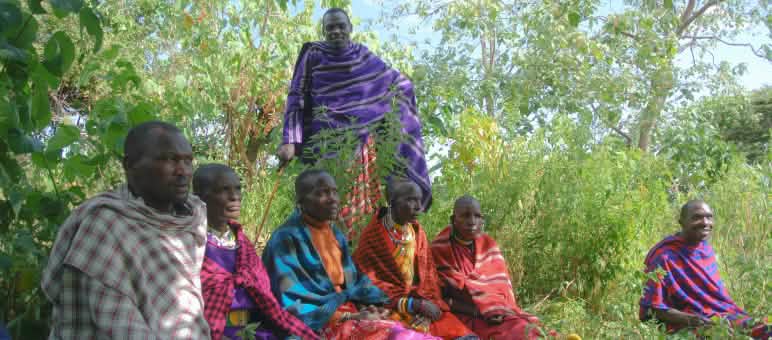
A call to UNESCO: stand with the Maasai people
Tanzania: A petition signed by 145,191 people has renewed pressure on UNESCO to protect the Maasai’s rights alongside nature around Tanzania’s renowned Ngorongoro Crater, where communities face displacement and repression.
Our findings on a research trip to Tanzania in 2023 were deeply disturbing: Maasai people told us of harassment around the iconic Ngorongoro Crater, of livelihoods being stripped away, and of security forces opening fire on them – all done in the name of conservation. Nearly 30 years ago, UNESCO declared the Ngorongoro Conservation Area a World Heritage Site. Vast herds of wildebeest, antelope, and zebra move across its savanna with the rainy and dry seasons. The traditional way of life of Maasai pastoralists, rooted in coexistence with wildlife, helps preserve this landscape.
But when UNESCO and the International Union for Conservation of Nature (IUCN) criticized Tanzania’s efforts at protecting the area as inadequate, the government responded with violence against the Maasai. Its plans threatened to uproot some 80,000 men, women and children from their villages and ancestral grazing lands.

Since first hearing reports of the planned evictions in 2021, we have supported the Maasai organization TEST and funded a radio station that brings people together and informs them of their rights. We also launched the petition: Stop the eviction of the Maasai from Ngorongoro.
Petition delivered to UNESCO
As the 48th session of the World Heritage Committee opened in Busan, Republic of Korea, we emailed the petition to the committee’s director, Lazare Eloundou Assomo, and Muhammad Juma, head of its Africa Unit.
We have not yet received a response.
This brings our petition to a close. We thank all 145,191 people who stood with the Maasai by signing.
On September 8, 2021, we delivered the petition for the first time at the Tanzanian Embassy in Berlin. 93,740 people had signed at that point. When the demands went unmet, we continued the campaign.
UNESCO does too little for the Maasai
Ahead of the World Heritage Committee meeting, a draft decision sets out how the organization intends to respond to the Maasai’s allegations. We fear UNESCO will make few decisions that go beyond diplomatic language or offer the Maasai real protection. Politics may also play a part: the body has 21 elected members – and Tanzania is currently one of them.
Other environmental and human rights advocates have also criticized the draft for failing to explicitly oppose the evictions. It merely “notes” that the Tanzanian government is pursuing “voluntary resettlement” in Ngorongoro. The text refers to “consultation,” not consent. It also ignores how tourism expansion threatens the environment and pushes the Maasai from their land.

A recent open letter from the Oakland Institute, an organization that we work closely with, states that World Heritage status must rest on human rights, the dignity of the Maasai, and their right to remain. “If UNESCO cannot ensure that the World Heritage designation protects the rights of its Indigenous custodians, then the Committee must remove the Ngorongoro Conservation Area from the World Heritage List.”
UNESCO’s empty words
UNESCO has repeatedly stressed that forced evictions are unacceptable and incompatible with international human rights guarantees. Yet it allowed the Tanzanian government to carry on. Two commissions appointed by President Samia Suluhu Hassan to investigate the crisis instead legitimized the resettlement policy. They claim that the Indigenous population’s traditional grazing harms the environment. The experts ignored evidence that tourism development – luxury lodges and new roads – causes far greater damage to nature.
We saw the scale of tourism firsthand: at one access point to Ngorongoro Crater, off-road vehicles carrying visitors from around the world were backed up in a long line.
TEST stands for Traditional Ecosystems Survival Tanzania
This page is available in the following languages:
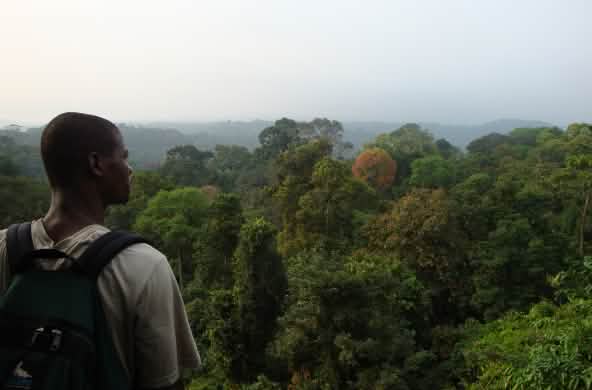
Protecting Africa’s rich natural heritage
The Congo Basin is home to the second largest rainforest in the world, habitat of gorillas, chimpanzees and forest elephants. Our partners courageously defend these forests.
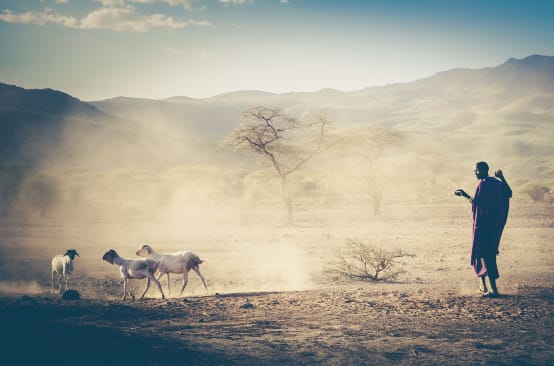
A radio station for communities and nature
In Tanzania’s savannas, a radio station becomes a bridge. Pastoralists, conservationists, and Indigenous leaders discover they can hear each other.
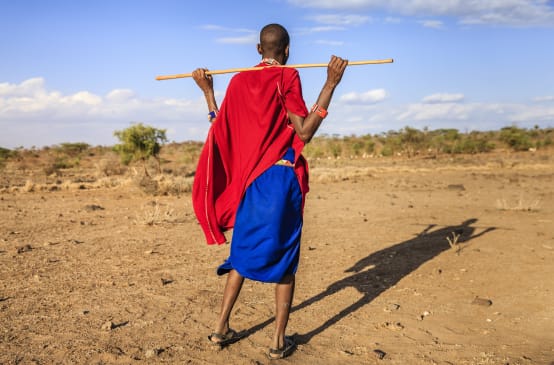
Tanzania: stop the eviction of the Maasai from Ngorongoro!
Tanzania’s Ngorongoro Crater is famous for its wildlife. Now the government wants to promote tourism – and evict more than 80,000 Maasai people.