
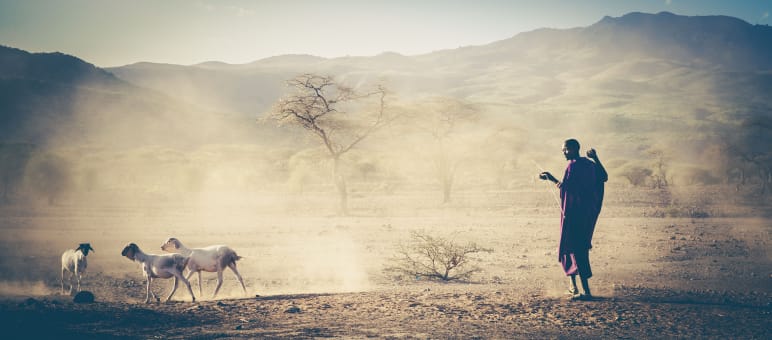
Maasai radio: a voice that carries
Tanzania: Maasai communities in northern Tanzania face harassment and eviction. Loliondo Community Radio helps them share news, debate decisions and make their concerns heard. Run by our partner TEST, the station reaches around 270,000 people. Better equipment could bring its broadcasts to millions more.
We had arranged a Zoom call with Babu Rotiken, the new head of the Maasai organization Traditional Ecosystems Survival Tanzania (TEST) to talk about the radio station’s role in the community. Instead, he had to rush to the police station.
Several Maasai people had been arrested, accused of grazing livestock in a protected area. It is a grimly familiar pattern: Maasai people maintain their traditional way of life while police and politicians use harassment and violence to drive them off their land. Amid these tensions, TEST puts its faith in the power of words and information – using radio to amplify community voices.
Northwestern Tanzania has spectacular landscapes and an extraordinary diversity of wildlife. Herds of zebras, giraffes and elephants roam the vast savannas – scenes that many Europeans associate with untouched wilderness. UNESCO has recognized the region’s World Heritage value. The neighboring Serengeti is one of the world’s best-known protected areas.
For the Maasai, this is not untouched wilderness: It is home. They have lived here for generations, alongside its wildlife.
Driven out for safaris
Tanzania’s government plans to expand protected areas to attract more international tourists, with little regard for Maasai needs and rights. The result is violent conflict under the guise of conservation.
More than 80,000 people face eviction. In the Loliondo area, another 70,000 men, women and children are expected to make way for safaris and trophy hunting in supposedly “untouched wilderness” – a picture-perfect paradise where livestock and traditional homes with radio antennas would spoil the view.
A platform for Indigenous voices
In rural areas, speaking openly about land conflicts and human rights or criticizing the government can mean risking repercussions. Loliondo Community Radio offers a trusted space where people can raise concerns and discuss solutions.
Most listeners are Maasai or members of other Indigenous communities living in remote areas. With limited access to the internet, newspapers and other sources of information, they rely on radio to stay informed.
A village elder describes what the station means to the community:
For years, important decisions affecting our lives were discussed without our voices being heard. Through Loliondo Community Radio, our concerns now reach leaders, government institutions and organizations that can respond. The radio belongs to the people because it talks about our daily lives.
The station also brings students into the conversation. Visits to the station, youth discussions, interviews and educational programs encourage them to share their views on education and environmental protection.
“Before visiting the radio station, I never imagined that thousands of people could hear my ideas. Speaking on the radio helped me become more confident and take an active part in shaping the future of my community,” says one girl.
Putting questions to those in power
The monthly discussion program Bunge la Jamii (“Community Parliament” in Swahili) brings local leaders, experts and residents together to discuss public services, education, health care, infrastructure and the management of natural resources. Government representatives explain policies and answer questions on air.
TEST’s team hopes these regular exchanges will build trust between communities and local authorities. Traditional community leaders also report growing interest in environmental protection.
A stronger signal for community voices
Your support helps keep Loliondo Community Radio on the air. The station now reaches around 270,000 people in Tanzania and Kenya. Better equipment could extend its reach to as many as 3.5 million people, with coverage stretching from Lake Victoria to Mount Kilimanjaro.
Mshao Naingisa, a traditional leader from Ololosokwan, where security forces have fired live ammunition at Maasai people, describes what he hopes to achieve:
People should be able to live in harmony with wildlife on our land – as our ancestors did. Our goal is to bring lasting peace to Loliondo.
This page is available in the following languages:
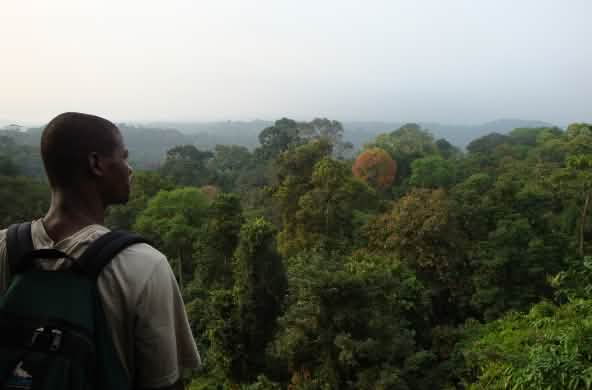
Protecting Africa’s rich natural heritage
The Congo Basin is home to the second largest rainforest in the world, habitat of gorillas, chimpanzees and forest elephants. Our partners courageously defend these forests.
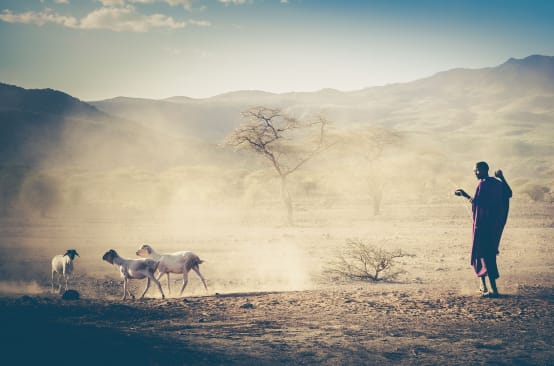
A radio station for communities and nature
In Tanzania’s savannas, a radio station becomes a bridge. Pastoralists, conservationists, and Indigenous leaders discover they can hear each other.
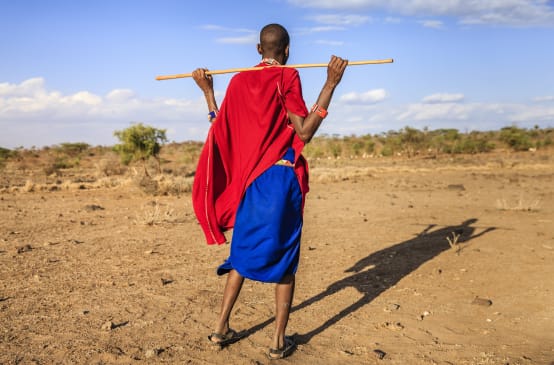
Tanzania: stop the eviction of the Maasai from Ngorongoro!
Tanzania’s Ngorongoro Crater is famous for its wildlife. Now the government wants to promote tourism – and evict more than 80,000 Maasai people.