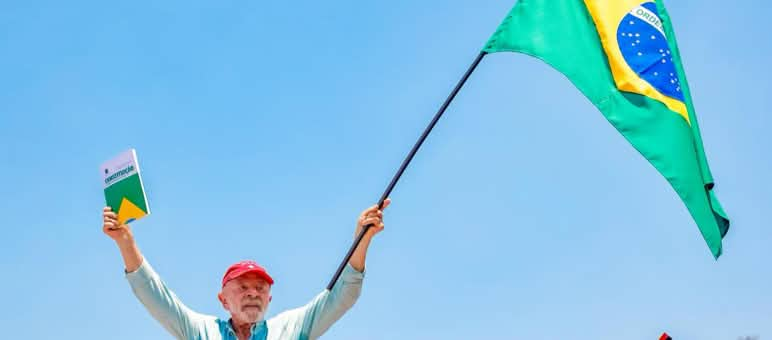
We defeated Bolsonaro – now we must defeat his far-right movement
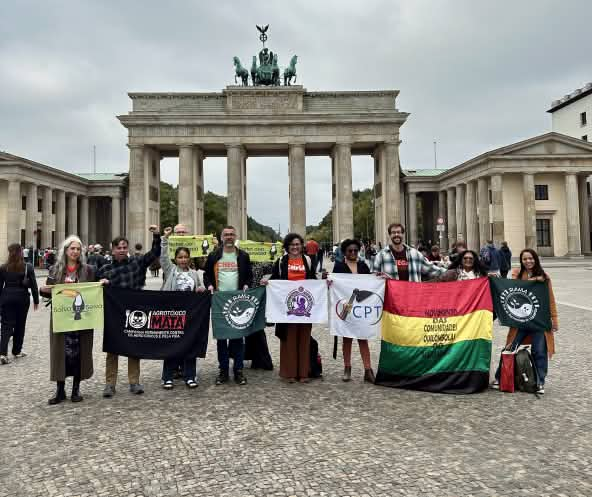
Brazil: Writing two days after the election, our Brazilian colleague Felipe Duran reports on the results and the situation in his country. Between the first round on October 4 and the runoff on October 25, he joined people from across Brazilian society in mobilizing for democracy, human rights and the protection of nature.
Less than 48 hours have passed since Brazilian President Lula da Silva’s historic victory, and the defeated candidate, Flávio Bolsonaro, has already fled to Miami in the United States. Under Donald Trump’s protection, he hopes to evade prosecution and possible imprisonment on charges of money laundering and corruption – charges backed by extensive evidence.
Two days after this victory for democracy, the Association of Indigenous Peoples of Brazil (APIB) reported that members of the Guarani-Kaiowá people in the state of Mato Grosso do Sul had been murdered by people who refused to accept the election result. Reports of brutal post-election violence reached us from other parts of the country, too. People who had voted for Lula were beaten and killed by Bolsonaro supporters.
Subscribe to our newsletter.
Stay in the loop on rainforest conservation issues with our free newsletter!
Reports also emerged of business owners close to Bolsonaro harassing and firing employees who hold left-wing views or who said they had voted for Lula da Silva. Those reports are still circulating today, 72 hours after the unexpected election victory. The Labor Prosecution Service has already received more than 900 such complaints, including reports that business owners are calling for lists of left-wing individuals or companies to be compiled and circulated as targets for boycotts of their work and businesses.
Bolsonarism, the right-wing populist political movement and ideology of former President Jair Bolsonaro’s supporters, is Brazilian-style fascism. Like other totalitarian ideologies, it is cowardly, violent and bent on a coup. Above all, it is driven by resentment: its adherents – ordinary people on the street – refuse to accept the social measures introduced to redress historical injustices against Indigenous people, Black people, people with disabilities, women and queer people. The Bolsonarists do not hate Lula – they hate the freedom and self-determination gained under left-wing governments by people who have always been oppressed.
Bolsonarism longs for a return to slavery, which lasted 358 years and has tragically shaped Brazil’s 526-year history. Earlier this year, the UN adopted a resolution recognizing the transatlantic trade in enslaved Africans as the gravest crime ever committed against humanity. Hatred drives Bolsonarism; crime is its method.
We defeated Flávio Bolsonaro at the ballot box, but now we must defeat Bolsonarism as quickly as possible. We know this will not be easy, but the streets and social media have already shown that it can be done.
Brazil’s elections: The last chance for the Amazon rainforest?
Politicians who stand for deforestation and exploitation have won Brazil’s elections. The presidential runoff is the last hope.
Three weeks before the runoff, a student-led wave of mobilization in support of democracy spread across Brazil, bringing people onto the streets and sparking constructive conversations within families, among friends, at bus stops and throughout daily life. The mobilization of millions connected networks of solidarity and mutual support online and offline. It united people from every part of society and members of civil society organizations in a common effort – organizations that Flávio had already proposed monitoring and restricting in his government platform, just as his father had done as president.
After Flávio Bolsonaro’s victory in the first round, a wave of support for democracy lifted the country’s spirits and restored hope. On election day, October 25, that renewed hope was reflected in images shared on social media: people of all ages, including people with disabilities and people with limited mobility. Some were in wheelchairs; others were carried by relatives and friends. They joyously exercised their democratic right to help secure a country where differences are respected.
Success
The left won by mobilizing on the streets. And we will keep winning as long as we do not let up, as long as we act together in solidarity and as long as we understand the dark chapters of our past so that we do not repeat them in the present.
Articulação dos Povos Indígenas do Brasil, October 28, 2026. APIB DENUNCIA ESCALADA DA VIOLÊNCIA CONTRA O POVO GUARANI KAIOWÁ NO MATO GROSSO DO SUL!: https://www.facebook.com/apiboficial/videos/apib-denuncia-escalada-da-violência-contra-o-povo-guarani-kaiowá-no-mato-grosso-/3218022688391206/ and https://www.instagram.com/p/De_zRBsJmJ9/
O Globo, October 28, 2026. MPT recebe 941 denúncias de assédio eleitoral nos dois dias após a votação; listas de boicote viram alvo da Justiça: https://oglobo.globo.com/economia/noticia/2026/10/28/mpt-recebe-530-denuncias-de-assedio-eleitoral-nos-dois-dias-apos-a-votacao-listas-de-boicote-viram-alvo-da-justica.ghtml
Tribunal Superior Eleitoral, 2026. Flavio Bolsonaro - Propostas de Governo: https://www.tse.jus.br/eleicoes/eleicoes-2026-content/propostas-de-governo-dos-candidatos-ao-cargo-de-presidente-da-republica-eleicoes-2026/flavio-bolsonaro
On page 59, the section on the environment states:
… We will eliminate overlaps between Ibama, Funai and ICMBio to make oversight more efficient, and require transparency from donors and from the projects of NGOs that receive international funding and file lawsuits against the state; where foreign money influences decisions about Brazilian territory, there are risks to the national interest that Brazilian citizens must be informed about. …