International community on the verge of failing to protect biodiversity
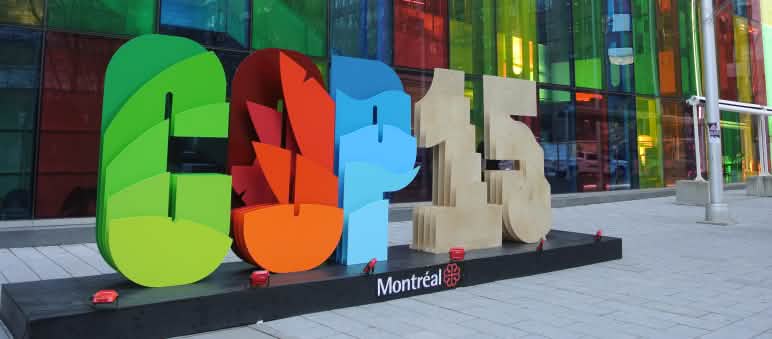
Almost four years ago, 196 countries gathered at COP15 and, amid great fanfare and tears of joy, pledged to halt biodiversity loss and the collapse of entire ecosystems by 2030. We have now reached the halfway point, and progress has been underwhelming.
In 23 targets, countries set out a plan to halt biodiversity loss. The measures ranged from ecosystem restoration and action against invasive species to sustainable agriculture, research cooperation and greener cities.
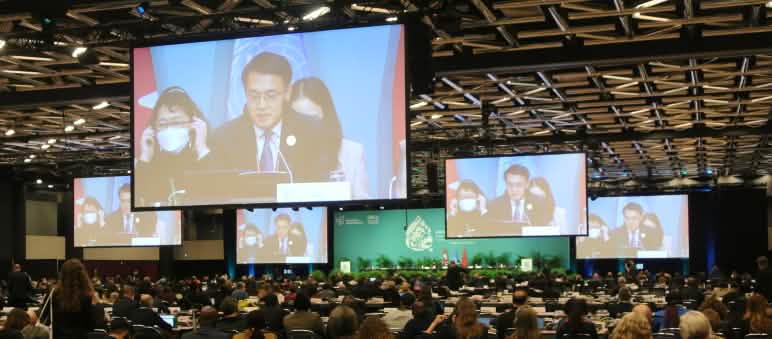
Nearly every country on Earth agreed to the targets during the long days and nights of the UN COP15 conference in Montréal, Canada, in December 2022. In some passages, every word was contested, and the conference ran into overtime. The resulting global nature agreement, formally adopted as the Kunming-Montréal Global Biodiversity Framework, followed one vision:
Living in harmony with nature
The Secretariat of the UN Convention on Biological Diversity has now published an interim assessment. Its 378 pages make one thing clear: biodiversity will not be saved this way. Progress has been made, but far too little and far too slowly.
In a four-color traffic-light system, only Target 8 – tackling the climate and biodiversity crises together – is rated green. Targets on ending harmful subsidies (Target 18), financial commitments (Target 19) and gender equality (Target 23) are rated dark red. These targets are plainly dead. The remaining targets could still be achieved, but only through extraordinary effort. It is hard to see where the necessary political and public will would come from. The signs point to failure.
The “30 by 30” target remains out of reach
Target 3 – placing a total of 30 percent of the Earth’s surface under protection by 2030 – is also unlikely to be achieved (see page 75). According to the report, countries have focused on the size of protected areas while neglecting their actual value for conserving biodiversity. For example, “paper parks” exist only on paper and achieve little in reality. Countries are also opting to designate wasteland or remote areas as reserves instead of protecting genuinely threatened, biodiverse forests. Indigenous territories and rights also continue to receive too little consideration.
Organizations such as Rainforest Rescue warned in 2022 that “30 by 30” was a false solution with serious human rights consequences. The target rests on the concept of “fortress conservation,” which holds that nature is best protected where there are no people left.
In response to the looming displacement of millions, we launched the petition “A better way to protect biodiversity: strengthening Indigenous rights”. During COP15, we presented it to Elizabeth Maruma Mrema, then Executive Secretary of the Convention on Biological Diversity, with 65,014 signatures.

The foreseeable failure of Target 3 is no cause for celebration. Protected areas have a legitimate place and play a vital role. But the alternative we support – strengthening Indigenous rights – is also making little progress.
Fortress conservation also appears to be advancing without the disastrous 30-percent target. Warning examples addressed by Rainforest Rescue include the eviction of Indigenous Batwa from Kahuzi-Biega National Park in the Democratic Republic of the Congo and of Maasai from the Ngorongoro Crater region in Tanzania.
In October, thousands of government representatives and delegations will meet for the COP17 Biodiversity Conference in Armenia. Will they recognize that 2030 is only four years away?
The foreword to the draft report states the following.
Overarching message. The Kunming-Montreal Global Biodiversity Framework has generated unprecedented global engagement, and has driven action, innovation, collaboration and learning experiences across all 23 of its targets. However, unless collective implementation accelerates rapidly, the 2030 targets and mission will not be achieved. While it is too early to detect change in biodiversity outcomes, the slow rate of current progress represents a long-term risk, as achieving the 2030 targets and mission are the foundation for putting the world on a pathway towards the 2050 goals and vision.
We have since collected around 12,000 additional signatures.
This page is available in the following languages:
Rainforest conservation
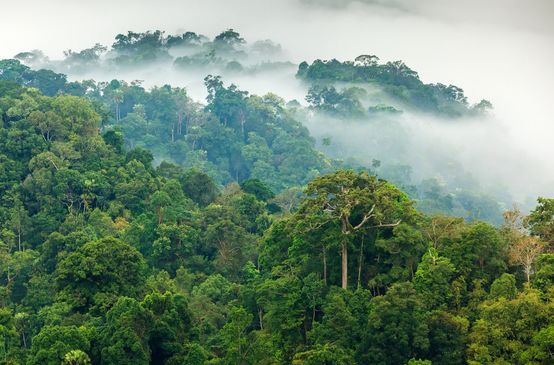
The web of life is so tightly woven in the rainforests that documenting new species is an everyday occurrence for researchers.
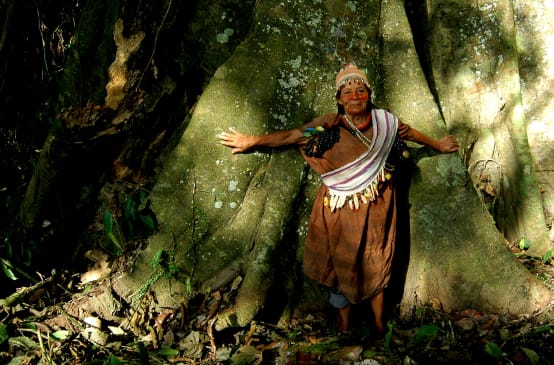
A better way to protect biodiversity: strengthening indigenous rights!
In December 2022, the UN Conference on Biological Diversity will rule that 30 percent of the planet’s surface should be protected worldwide by 2030 – a problematic plan.
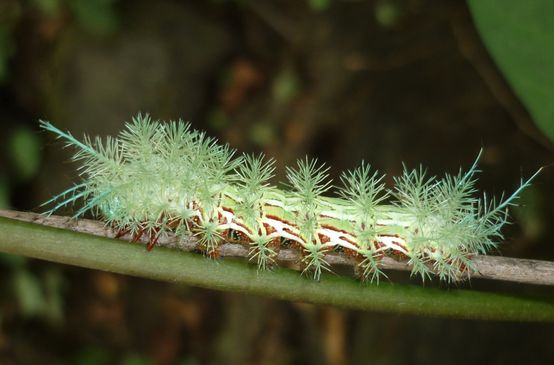
Biodiversity
Life on Earth originated around 4 billion years ago. Since then, an unfathomable number of species have evolved, around half of which are insects. Numerous plant and animal species have yet to be documented, and many new ones are being discovered every day.